Kingdom Rush 6: Everything You Need to Know About the New Entry
Discover everything about kingdom rush 6. From tower loadouts to hero strategies, get expert tips to master this challenging new tower defense adventure.
Published: Kingdom Rush 6: Genesis TD Wiki Editorial Team
Table of Contents
The legendary tower defense saga has returned, and players are diving deep into the tactical depths of kingdom rush 6. If you have been waiting for a fresh challenge that blends the series' classic charm with modern, complex strategic layers, this is the experience you have been looking for.
Understanding the core mechanics of kingdom rush 6 is essential for success, especially as the difficulty ramps up in the later stages. Whether you are a veteran of the original games or a newcomer to the genre, mastering your loadout before the battle begins is the most critical step toward victory.
Mastering the New Loadout System
Unlike previous entries, this title forces you to be deliberate with your preparation. Before entering any of the 18 campaign stages, you are tasked with selecting a specific loadout. This shift from a fixed tower set to a customizable roster is what defines the gameplay loop of kingdom rush 6.
Strategic Loadout Components
Component
Capacity
Strategic Impact
Towers
5 slots
Determines your primary damage sources and utility.
Heroes
2 slots
Provides active battlefield presence and manual control.
Spells
3 slots
Acts as your "oh-no" button for emergencies.
According to community reports, the most common mistake players make is bringing redundant tower types. Because you only have five slots, you must balance ranged, artillery, magic, and melee units carefully. If you bring three types of ranged towers, you will likely find yourself overwhelmed by armored enemies that require physical or magical piercing.
Tactical Combat and Hero Management
In kingdom rush 6, the action is significantly more frantic than in the series' earliest days. You are not just building towers; you are actively managing two heroes simultaneously. These heroes are not "set and forget" units; they must be repositioned to choke points to maximize their impact.
Hero Management Tips
Active Positioning: Always keep your melee heroes near the front of your tower clusters to hold enemies in range of your damage-dealers.
Ability Timing: Do not waste hero abilities on trash mobs. Save them for boss encounters or high-health waves.
Experience Scaling: Note that heroes gain XP separately. If you are struggling with a level, consider swapping in a higher-level hero to provide better crowd control.
Tip
Maximize Gold Efficiency
You can call waves early to earn extra gold. Only do this if your current defense is holding the line without requiring constant spell usage, as the extra gold can be the difference between buying a high-tier upgrade or losing a life.
Navigating the Campaign and Enemy Types
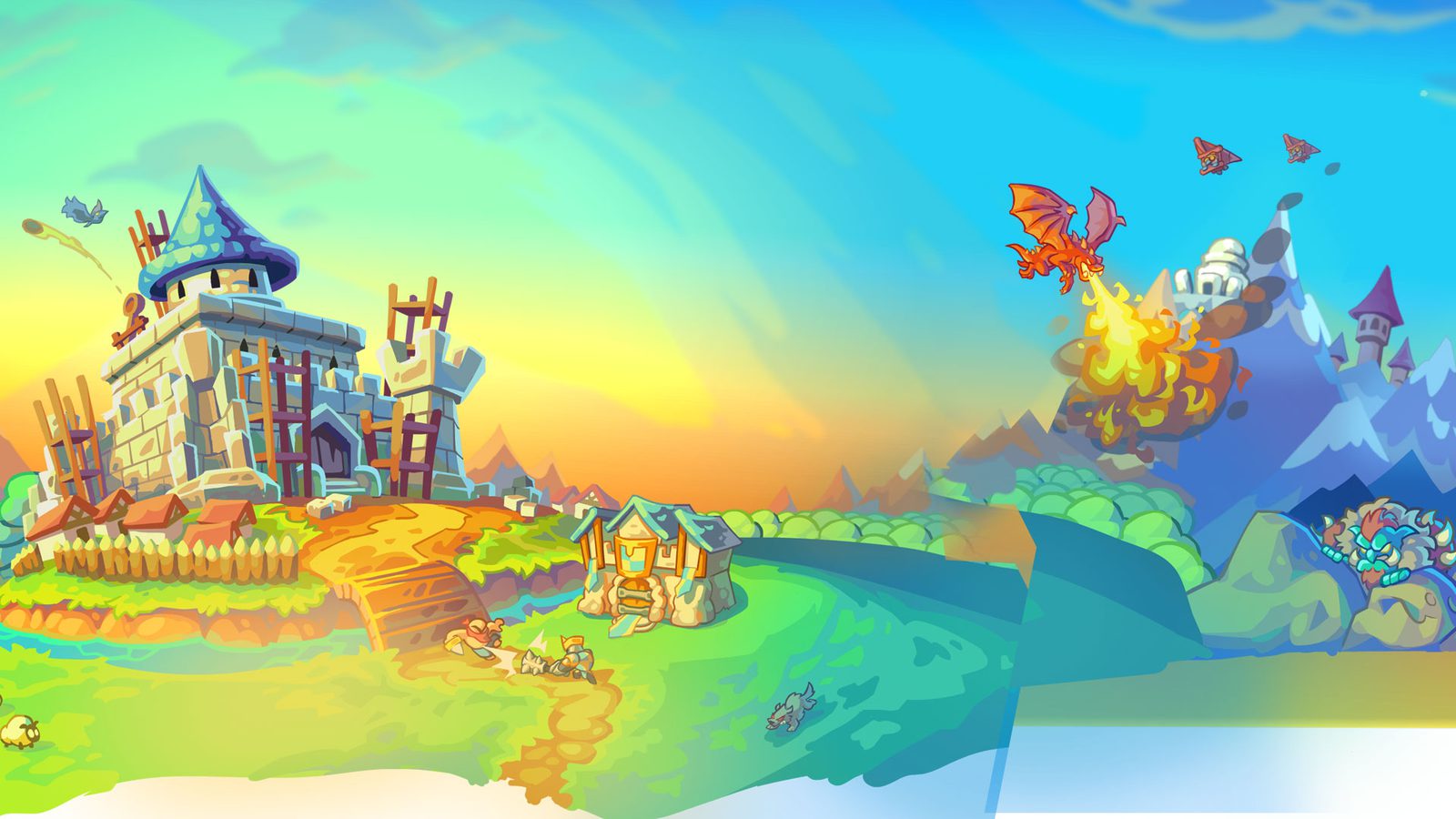
The game features 18 handcrafted stages across three distinct regions: the Citadel, the Stormcloud Depths, and Arcania. Each region introduces unique environmental mechanics that force you to rethink your standard strategies.
Enemy Faction Overview
Faction
Primary Threat
Recommended Counter
Citadel Guards
High Armor
Magic Towers
Stormcloud Spirits
Flying / Evasion
Ranged / Anti-Air
Arcania Mages
Magic Resistance
Barracks / Physical Artillery
As noted by players, blindly upgrading the same tower path will lead to failure. You must observe the enemy composition of the incoming wave. If you see flying units, ensure at least one of your five slots is dedicated to anti-air. For those interested in seeing the game in action, check out the official Kingdom Rush 6 gameplay trailer on the Steam store page.
The Replayability Factor: Challenge Modes
Once you complete the main campaign, the game truly opens up. Every stage offers five distinct challenge modes. These modes are not just for show; they fundamentally change how the game is played.
Challenge Mode Breakdown
Iron Challenge: Tests your endurance with one brutal wave and a single life.
Blitz: Increases the speed of enemy spawns, forcing you to make snap decisions.
Hero Party: A pure hero-focused mode where you control four heroes without spells.
Classic Rush: The ultimate nostalgia trip, forcing you to use the original 2011 tower setup.
Spell Rush: Removes heroes and forces you to rely entirely on your spell loadout and tower synergies.
Community discussions highlight "Classic Rush" as the standout mode for long-time fans. It serves as a great reminder of how far the series has evolved while celebrating the simplicity that made the first game a hit.
Common Pitfalls and How to Avoid Them
Even experienced generals can fall into traps. One frequent error is neglecting the "global upgrade" system. While heroes and spells gain experience individually, your towers rely on global upgrades that apply to all instances of that tower type.
Troubleshooting Your Strategy
Stuck on a Level? Change your hero combination. Sometimes, a high-damage hero is worse than a support hero who can slow down enemy movement.
Overwhelmed by Bosses? Ensure your spells are upgraded to target specific boss weaknesses.
Gold Starvation? Re-evaluate your tower placement. Placing towers too far apart prevents them from focusing fire on the same target.
Frequently Asked Questions (FAQ)
Q: Is kingdom rush 6 a direct sequel to the previous games?
A: It is a new chapter in the saga that takes you back in time to the early days of the kingdom. It functions as a standalone experience with its own unique mechanics and narrative.
Q: Can I play kingdom rush 6 on my Steam Deck?
A: Yes, the game is marked as "Playable" for Steam Deck, making it a perfect title for portable tower defense sessions.
Q: How many hours of gameplay can I expect?
A: The main campaign takes roughly 7 to 8 hours for a skilled player. However, if you dive into the challenge modes and replayability features, you can easily get 25 to 30 hours of content.
Q: Does it have an endless mode?
A: Currently, there is no endless mode in the game. The focus remains on the handcrafted campaign stages and the various challenge modes.